Chimneys on Long Island take a beating year after year. The freeze-thaw cycles, salt air from Long Island Sound, and heavy precipitation all work against the masonry. In Locust Valley, where many homes were built decades ago, chimneys often show their age through crumbling mortar, deteriorating bricks, and water damage that seeps into interior walls. DME Maintenance has been serving Locust Valley homeowners since 2001, and we've seen firsthand how quickly a small leak becomes a costly problem. Catching chimney damage early makes an enormous difference in how much repair work becomes necessary and how much it will ultimately cost your family.
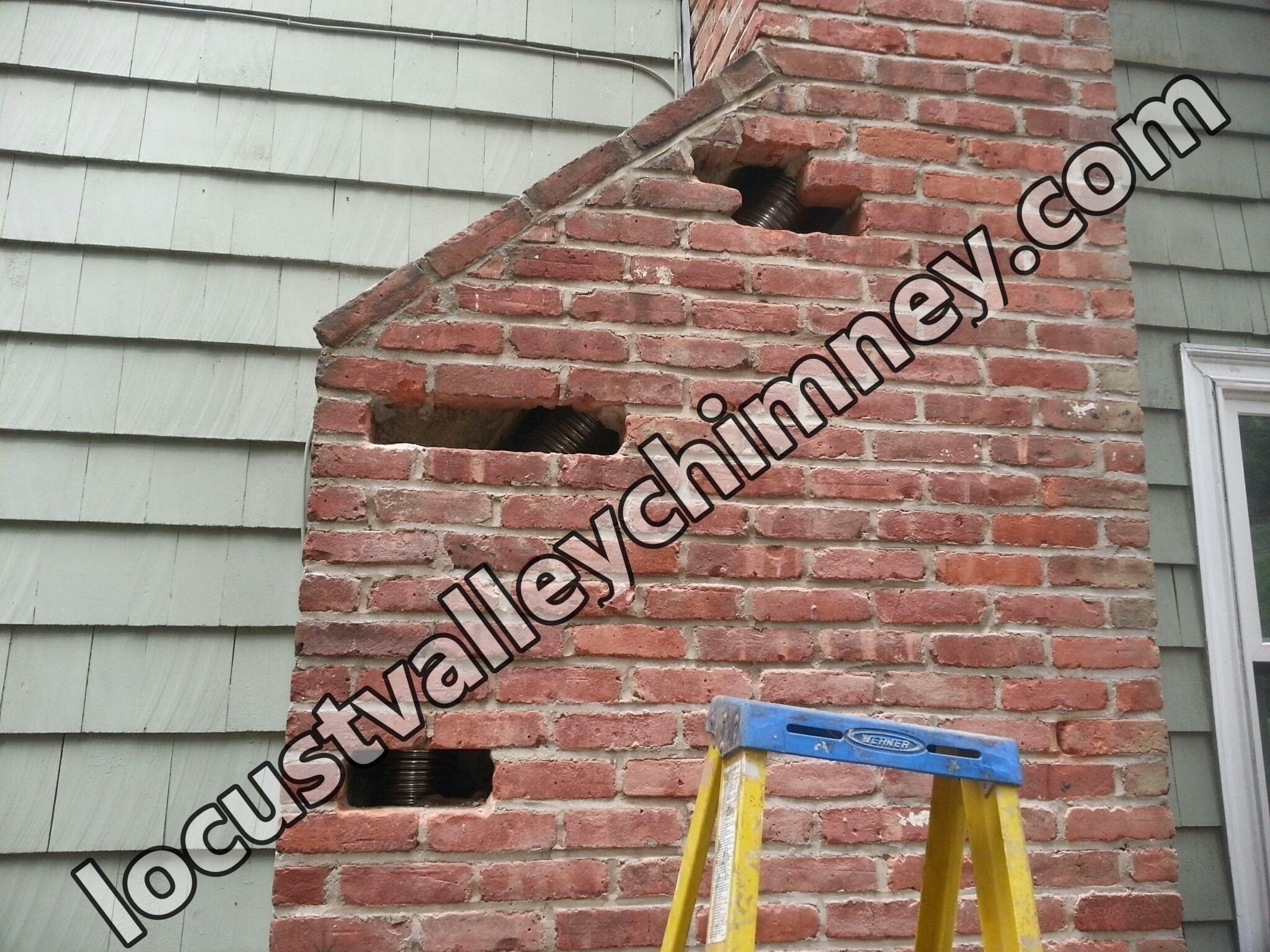
The mortar joints between your chimney's bricks are not decorative. They're load-bearing elements that hold the entire structure together and keep water from penetrating deeper into your home. In Locust Valley, where homes often sit for 40, 50, or even 60 years without major chimney work, these joints wear down gradually. Salt spray from nearby coastal areas accelerates this breakdown. When mortar fails, water enters the gaps between bricks. Once inside, that water travels downward and laterally into your walls. Interior water stains, wet drywall, and mold growth can follow. Repointing the mortar joints stops this cycle before it starts.
Brick spalling and structural cracks represent another major repair category for Locust Valley residences. Spalling is when the outer face of the brick pops off, exposing the softer interior to moisture and further deterioration. This often happens when water gets trapped inside the brick and freezes during our cold winters on Long Island. The expanding ice literally breaks the brick apart from the inside. Structural cracks signal that the chimney may be settling unevenly or that water damage has weakened the internal structure. These cracks need attention because they allow more water intrusion and can eventually compromise the chimney's ability to stand safely. Ignoring them almost always means the damage spreads upward and outward.
Water intrusion is perhaps the most insidious problem affecting chimneys in Locust Valley, NY. It doesn't announce itself loudly like a collapse would. Instead, water sneaks in through failed mortar, damaged bricks, cracks in the crown, or gaps where the flashing meets the roof. This water then travels inside walls, soaking insulation, rotting wooden framing, and feeding mold growth. Locust Valley homeowners often don't realize they have a water problem until interior damage becomes visible. By then, the moisture has been working unseen for months or years. A thorough chimney inspection can identify these entry points before water causes expensive interior damage. Once we locate the source, we can seal it up and prevent years of costly repair bills down the road.
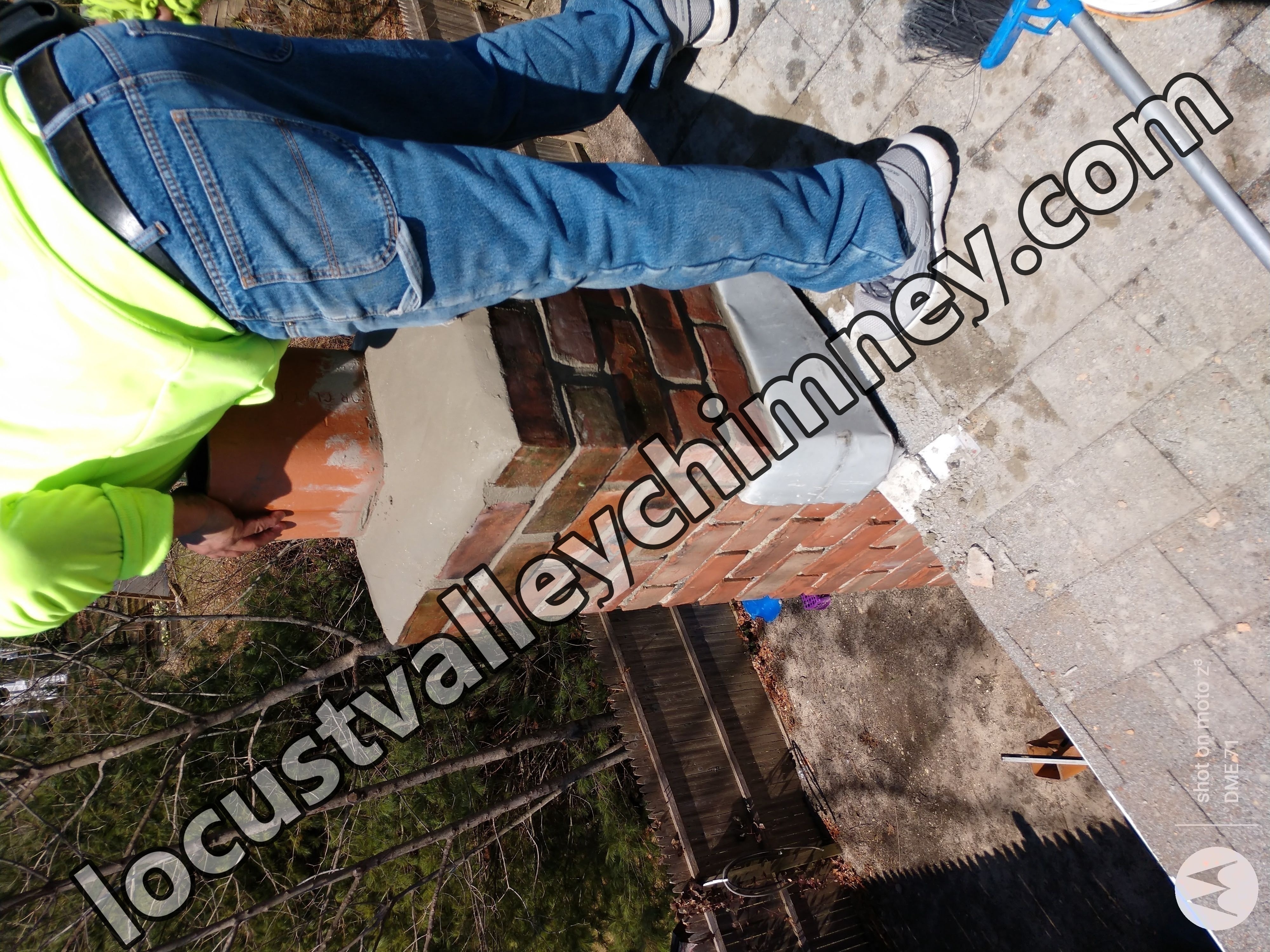
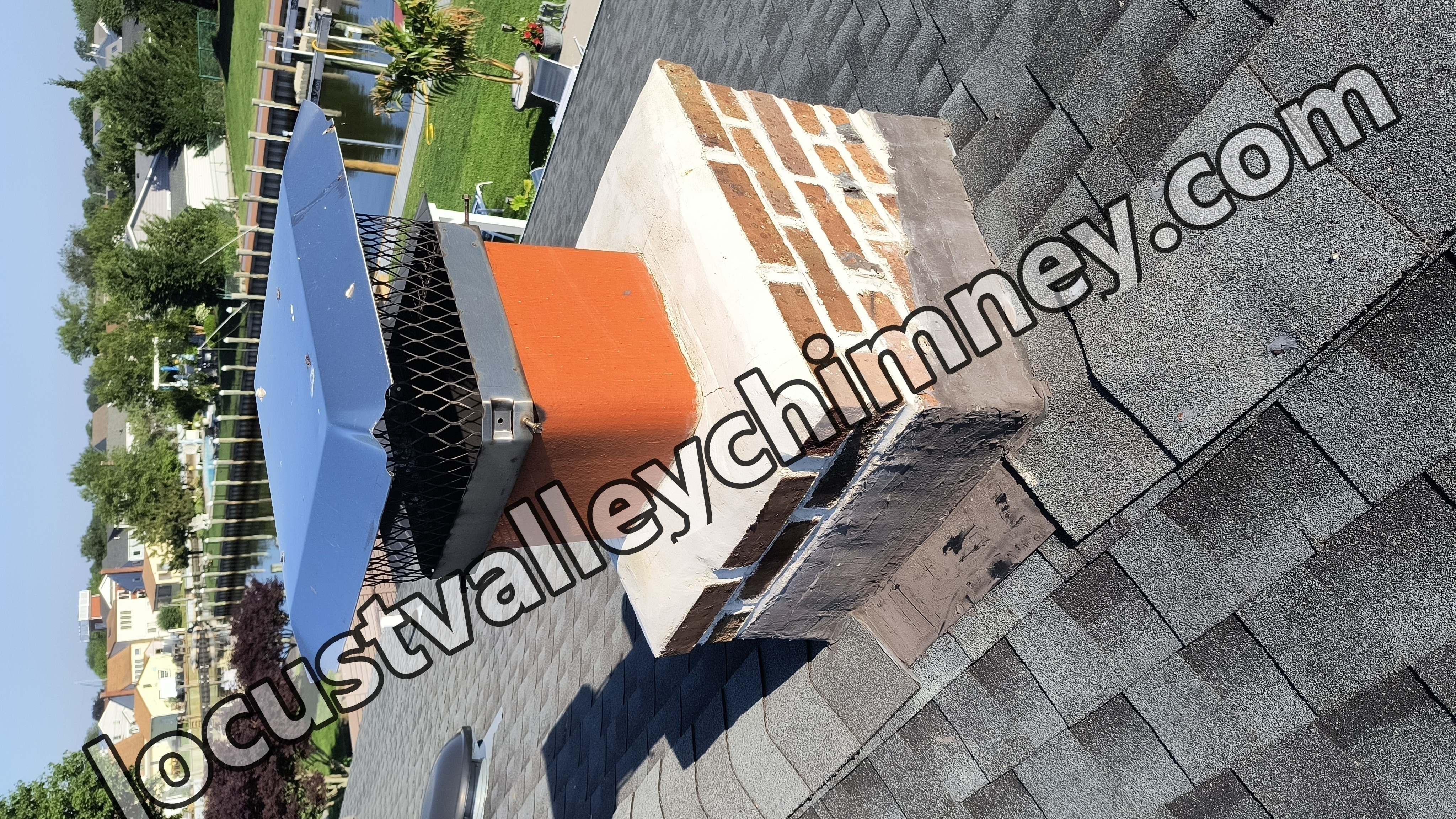
The chimney crown sits at the very top of your chimney, where it meets the peak of your roof. This concrete or stone cap should slope slightly so water runs off in all directions instead of pooling around the chimney base. When the crown cracks, settles, or erodes, water collects there and soaks into the masonry below. Homes in Locust Valley experience significant weather stress, and crowns often deteriorate faster than homeowners realize. A deteriorating crown is one of the most common reasons water begins leaking into attics and upper-floor walls in our area. Repairing or replacing the crown is one of the best preventive measures any Locust Valley homeowner can take to protect their entire chimney investment.
The structural integrity of your chimney depends on how well all these elements work together. A solid brick structure, sound mortar joints, a functioning crown, proper flashing, and an intact exterior all need to perform as a system. When one element fails, it creates stress on the others. Water enters through a crack in the mortar. It weakens the bricks. Those weakened bricks can no longer support the weight above. The structure may then shift slightly, creating new cracks. This cascading effect is why early repair is so important for Locust Valley residents. Catching problems while they're isolated prevents them from spreading throughout the entire chimney system.
Oil heat remains common on Long Island, and many Locust Valley homes rely on oil-fired furnaces with chimneys to vent exhaust gases safely outdoors. These chimneys see heavy use during our long, cold winters, and they need to be in excellent working condition. If your chimney has mortar joint damage or brick deterioration, the structural soundness of your oil heating system is compromised. Worse, a failing chimney can allow exhaust gases to leak into your home instead of venting safely outside. This is both a safety concern and a sign that repairs can't wait. Any homeowner in Locust Valley with an oil heating system should have their chimney inspected at least annually.
Our service area covers all of Locust Valley and the neighboring communities. Homeowners across Locust Valley have relied on DME Maintenance, a local Long Island-based chimney company, for annual chimney service for over two decades.
Seasonal weather on Long Island poses unique challenges for chimneys in Locust Valley and surrounding areas like Lattingtown and Matinecock. Our springs bring heavy rain and strong winds. Summer storms can be intense. Fall transitions bring temperature swings that stress masonry. Winter's freeze-thaw cycles crack bricks and mortar. By the time spring arrives, many chimneys have accumulated new damage. This is why we recommend that Locust Valley homeowners think about chimney repair year-round, not just before winter heating season starts. A chimney that's in poor condition doesn't suddenly get worse only in December. It deteriorates steadily, and spring or summer is often the best time to address repairs before next heating season arrives.
DME Maintenance brings over two decades of experience to every chimney repair we handle in Locust Valley, NY. Douglas Eberling founded this company on the principle that homeowners deserve honest assessment and skilled workmanship. We know Locust Valley homes because we've worked in this community since 2001. We understand the age and construction style of homes here. We've seen how our local climate affects masonry. We know which problems are most common and which repair approaches work best. When you call us about chimney damage, you're getting a local expert, not a generic contractor who treats every home the same way. Call DME Maintenance today at 516-690-7471 to schedule your chimney inspection and take the first step toward protecting your Locust Valley home.