When you heat your home during a Locust Valley winter, every bit of warmth matters. The cold air and wind that sweep across Long Island Sound and through Nassau County make fall the perfect time to inspect your chimney damper. If you own a home built before the 1980s, as many do in Locust Valley, your chimney likely has a throat damper. This traditional damper sits just above the firebox opening. While functional when properly maintained, throat dampers often develop gaps and don't seal completely. Even a small opening allows heated air to escape up the chimney when your fireplace isn't in use. For Locust Valley homeowners who rely on oil heat or other primary heating systems, that escaping warmth translates directly to higher energy bills throughout the season.
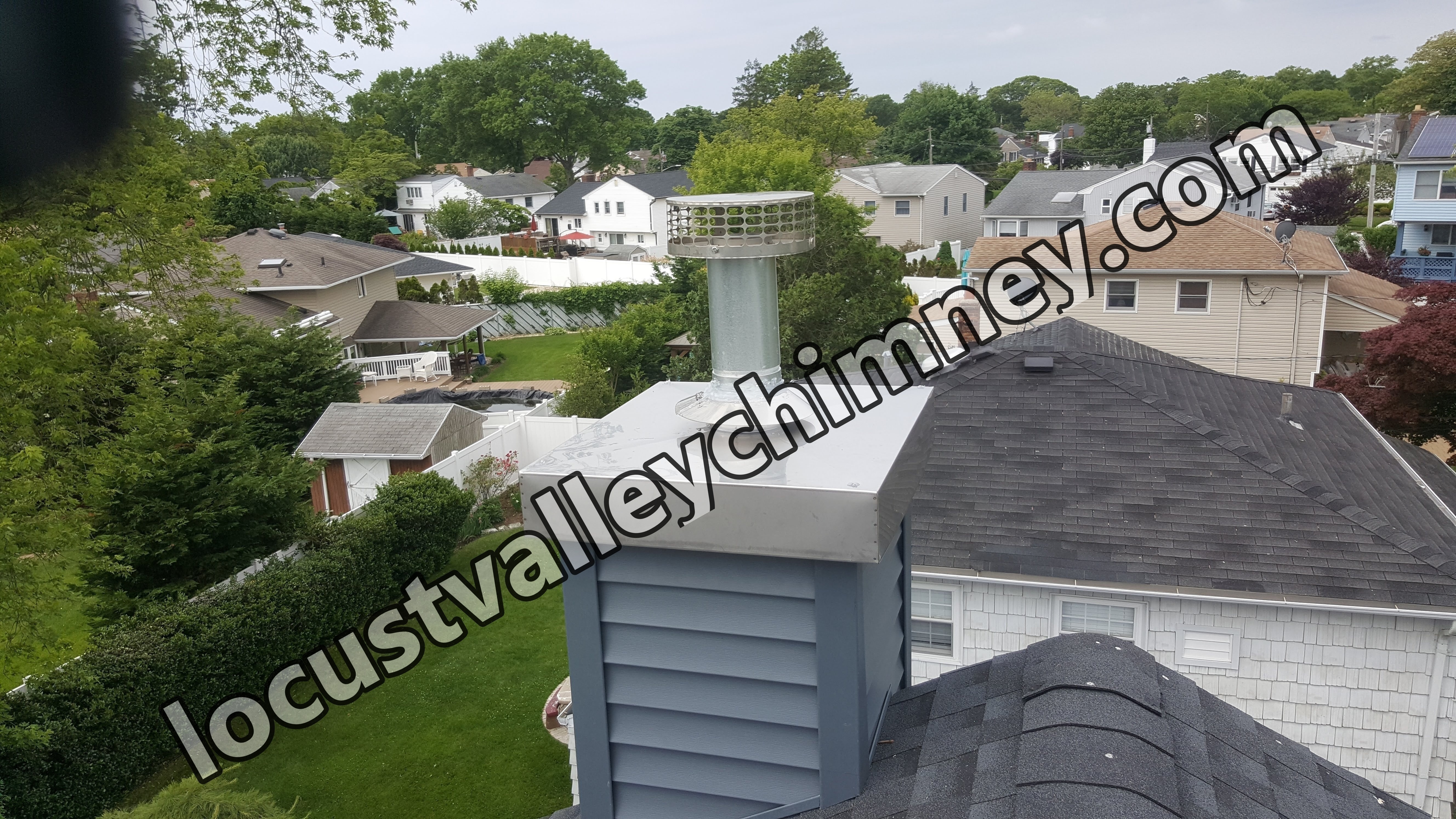
A top-sealing damper works on an entirely different principle than the throat damper it replaces. Instead of sealing from inside the firebox, a top-sealing damper mounts at the crown of your chimney. It creates a weather-tight closure right at the flue opening where cold air enters. When your fireplace is dormant, a top-sealing damper blocks the entire chimney opening from the outside. This means no draft, no unwanted air infiltration, and no conditioned air leaving your home. Homes in Locust Valley that have switched to this design report noticing the difference immediately when they step into their living rooms on chilly fall mornings.
The draft problem in older homes on Long Island deserves real attention. A throat damper may seem closed, but it rarely seals perfectly. Small warps in the metal, mineral buildup, and normal settling of the chimney frame create tiny gaps. Over weeks and months, these small openings add up. During Nassau County's cold season, your furnace works harder to replace the warm air flowing up through an imperfectly sealed chimney. This is especially noticeable in living rooms or dens where fireplaces sit as focal points. Residents of Locust Valley with older homes often describe feeling a persistent chill near the fireplace, even on days when the furnace is running steadily.
Energy efficiency isn't just about comfort. It's about managing heating costs during the months when you're running your system continuously. Locust Valley sits in a region where winter heating seasons stretch from October through April. That's a full six months of potential energy loss through a poorly sealed chimney. When a top-sealing damper replaces a worn throat damper, homeowners typically notice lower heating bills within the first full heating cycle. The reduction comes directly from eliminating the stack effect, a natural phenomenon where warm air rises and escapes through any opening at the top of your home. By sealing that opening at the source, you're addressing the root cause rather than just compensating with more heat.
Installation of a top-sealing damper requires knowledge of chimney structure and flue dimensions. Not every chimney accepts this upgrade identically. The crown condition, flue size, and brick deterioration all factor into the process. DME Maintenance has served homeowners throughout Locust Valley and surrounding Nassau County neighborhoods since 2001. DME Maintenance understands the specific construction methods used in homes across this region. We measure your flue opening carefully and select a damper that fits your exact dimensions. A properly sized top-sealing damper operates smoothly and lasts for years with minimal maintenance.
Before fall heating season arrives, scheduling a damper evaluation makes practical sense. Many Locust Valley homeowners discover their throat dampers during routine chimney inspections. Perhaps the handle is broken, the seal isn't holding, or the damper won't open fully. Sometimes it's simply stuck from years of minimal movement. Rather than repair an aging component, replacing it with modern sealing technology solves the problem permanently. Fall offers ideal timing because you can complete the work before you rely on your fireplace or heating system daily. October and November are far more convenient months for this service than January or February.
The practical difference between damper types becomes obvious once you understand how each one functions. A throat damper hangs inside your chimney, controlled by a handle you access from the firebox opening. It's accessible but requires you to check it physically. A top-sealing damper activates by pulling a chain that hangs down the inside of the chimney. It's sealed outside at the crown, away from weather and temperature fluctuations. For residents of Locust Valley who want a solution that works regardless of whether someone remembers to close it, the top-sealing design offers confidence. You can't accidentally leave it open because the mechanism isn't sitting in your living room where it's easy to forget.
Weather on Long Island affects chimneys differently than interior damper mechanisms. Snow, ice, wind, and salt spray from proximity to water all impact exterior components. A damper sealed at the crown experiences these elements directly. Quality materials matter significantly here. The best top-sealing dampers use stainless steel and powder-coated finishes that resist corrosion. They're designed to operate smoothly even after harsh winter conditions. When spring arrives and you're no longer heating, a properly installed damper continues protecting your flue opening from rain and animals. Homes in Locust Valley benefit from this year-round protection, not just during heating season.
Homeowners often ask about the difference in maintenance between damper styles. Throat dampers need occasional cleaning and lubrication. Debris can accumulate on the seal, preventing full closure. Top-sealing dampers require minimal attention once installed. You operate them seasonally, much like you would a throat damper. The main difference is that the sealing surface lives outside your chimney, so it's exposed to inspection and cleaning during routine maintenance. During a fall chimney cleaning, your professional can verify that the damper operates smoothly and seals completely. This inspection takes moments but ensures everything functions as intended before you depend on it.
Our service area covers all of Locust Valley and the neighboring communities. Homeowners across Locust Valley have relied on DME Maintenance, a local Long Island-based chimney company, for annual chimney service for over two decades.
If you've noticed drafts in rooms with fireplaces during fall months, a damper evaluation could reveal the source. Locust Valley homeowners sometimes attribute chilly rooms to insufficient heating without realizing the chimney is the culprit. A simple check confirms whether your current damper seals properly. If it doesn't, a top-sealing replacement solves the problem. You'll feel the difference in room comfort within days. The satisfaction comes not from complicated technology but from addressing a straightforward problem with an effective solution. That's the appeal for many homeowners on Long Island who value practical, lasting results.
DME Maintenance has installed countless dampers throughout Locust Valley and nearby communities like Lattingtown and Mill Neck. We understand the architectural styles, construction materials, and common issues that affect homes in this region. Our licensed team brings two decades of experience to every job. Whether you're dealing with a broken throat damper or you want to upgrade to better energy efficiency, we handle the evaluation and installation professionally. Call us at 516-690-7471 before the heating season intensifies. Fall is the ideal window for this work, and we're ready to help Locust Valley residents solve their chimney damper issues.