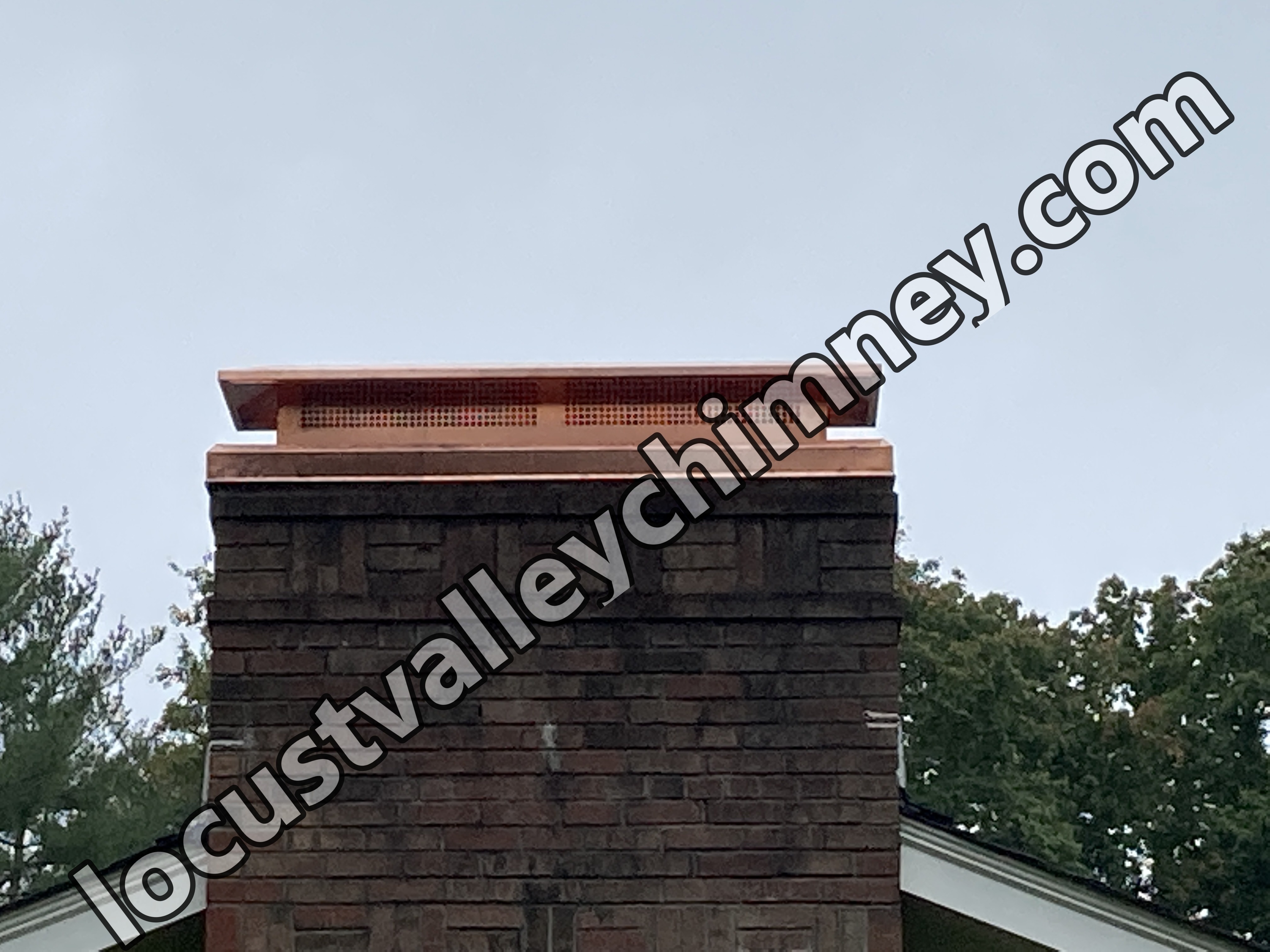
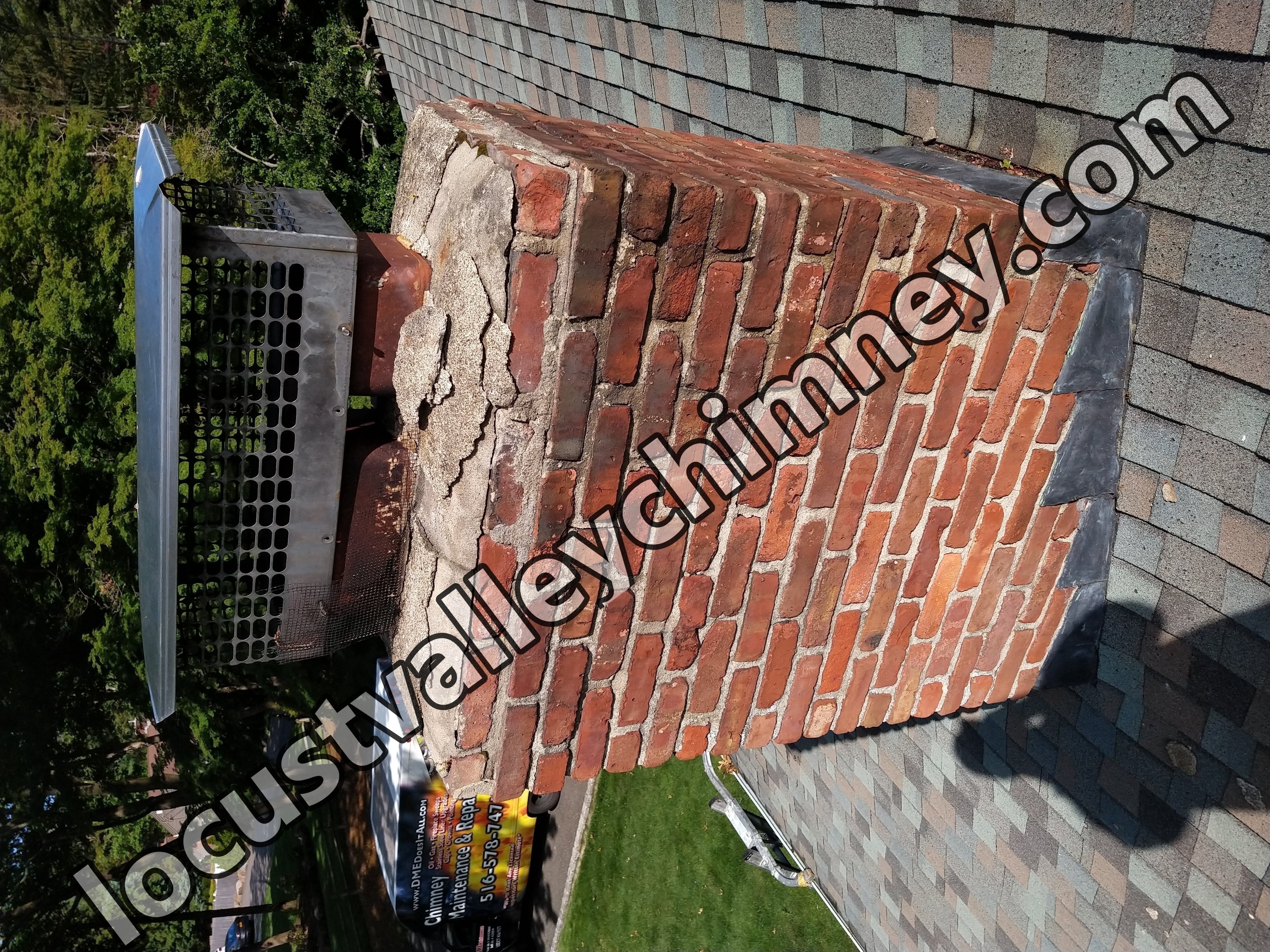
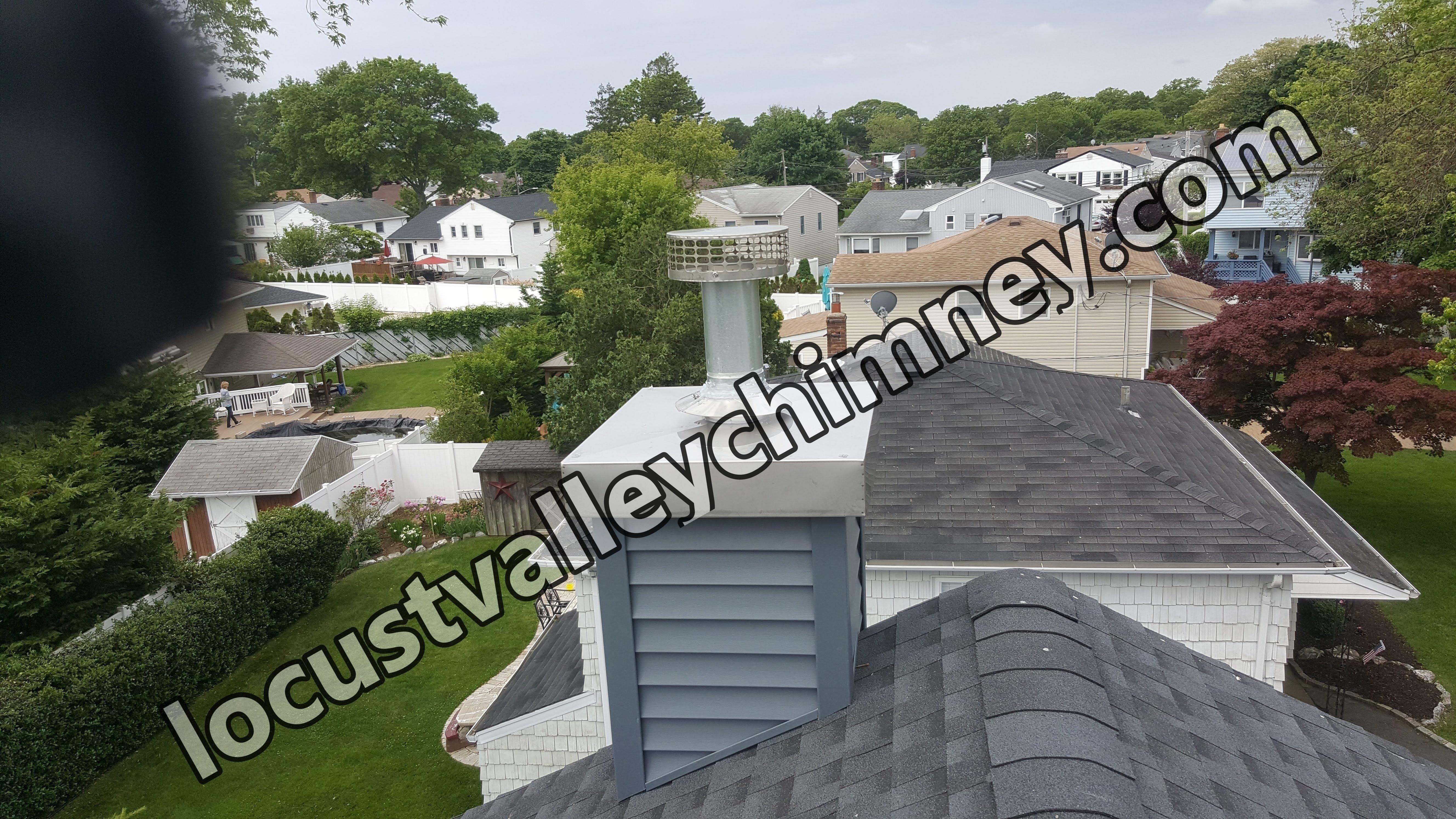
Sitting prominently atop the chimneys throughout Locust Valley, the chimney crown represents one of the most overlooked yet critically important structural components of your home's heating system. This specially constructed cap—typically made from concrete or reinforced mortar—serves as the primary shield protecting your entire chimney infrastructure from the relentless assault of Nassau County, NY's variable coastal weather. Many homeowners in Locust Valley don't realize that their chimney crown isn't simply decorative; it's engineered to slope away from the flue opening and extend beyond the chimney walls themselves, creating a watershed effect that channels rainwater toward the outer edges rather than allowing it to pool and seep downward into the masonry.
When the seasonal rains arrive in earnest, and as winter approaches with its mix of precipitation and freeze-thaw cycles typical of Nassau County, a compromised chimney crown becomes a gateway for water infiltration that can compromise your entire chimney system, from the flue lining to the interior firebox, and even into the surrounding structure of your home. At DME Maintenance, we've served Locust Valley and the surrounding area since 2001, and we've witnessed firsthand how quickly a small crack in a chimney crown can evolve into a costly restoration project. The homes of Locust Valley represent a diverse architectural history, with many properties built during decades when chimney crowns were either inadequately constructed or simply neglected, creating an urgent need for proactive inspection and repair before the weather takes its toll.
Understanding the mechanics of why chimney crowns fail is important for homeowners in Locust Valley who want to protect their investment and maintain safe, functional fireplaces or heating systems. The chimney crown is exposed to a range of environmental stressors throughout the year: intense summer sun that causes expansion and contraction, wind-driven rain from spring and fall storms, and the particularly damaging freeze-thaw cycles that occur during winters here. The concrete or mortar used in crowns is a porous material, and while it's designed to shed water, it's not waterproof in the absolute sense. When hairline cracks begin to form—and they inevitably do after years of weather exposure—moisture penetrates the material, collects inside, and then freezes during winter.
This freeze-thaw action causes those small cracks to expand and deepen with each seasonal cycle, eventually creating larger gaps that allow water to flow directly into the chimney structure. Homes in Locust Valley that sit closer to water bodies like the various inlets and tributaries common throughout this part of Nassau County experience accelerated crown deterioration due to salt exposure. Many Locust Valley residents heat their homes with oil-fired heating systems that rely on chimney venting, meaning your chimney crown isn't just protecting a fireplace, it's guarding a critical component of your home's primary heating infrastructure.
When we inspect chimneys across Locust Valley, we often discover that the original crown was applied without adequate slope, without proper overhang, or with insufficient concrete thickness, creating conditions where water doesn't run off as intended but instead collects in low spots and seeps downward through natural weaknesses in the masonry.
The visible signs of chimney crown deterioration are often less obvious than homeowners might expect, which is why many residents of Locust Valley don't realize their crown needs attention until damage has already begun spreading to other parts of the chimney system. The most telling indicators include visible cracks radiating outward from the flue opening, sections where the concrete has separated from the chimney masonry itself, spalling or flaking of the concrete surface, or a crown that appears to slope inward rather than outward toward the edges.
However, the most dangerous signs are often invisible from ground level: water staining on the interior walls of your chimney, deterioration of the flue liner, dampness in the masonry surrounding your fireplace or stove, or that telltale musty odor that develops when moisture accumulates inside the chimney structure. We've responded to emergency calls from Locust Valley homeowners who first noticed the problem only after water began dripping into their home's interior, which is a situation you absolutely want to prevent. In the months leading up to winter and during the rainy season that typically hits Nassau County, NY with considerable force, many Locust Valley residents discover leaks that trace directly back to a compromised crown.
The problem compounds itself: as water enters the masonry, it creates conditions for freeze-thaw damage that weakens not just the crown but the mortar joints and bricks below. We've also observed that crowns built with simple mortar rather than concrete are particularly vulnerable in the Nassau County climate; mortar deteriorates much faster when exposed to repeated moisture cycles and temperature fluctuations. A preventive approach—inspecting your crown annually and addressing any cracks before the rainy season or winter arrives—is far more cost-effective and less disruptive than waiting for water damage to reveal the problem through interior leaking or structural damage.
The repair process for a compromised chimney crown depends entirely on the extent of the damage we discover during inspection, and this is where experience with the specific conditions in Locust Valley and throughout Nassau County, NY matters. If we find minor cracks or areas of spalling, we can often address these through targeted repairs using specialized concrete sealants or patching compounds designed to withstand the intense weathering Locust Valley experiences. For crowns with more significant cracks, or those where the original construction was inadequate, a full crown rebuild may be the most prudent solution.
A proper chimney crown rebuild involves carefully removing the deteriorated crown material, cleaning the masonry surface beneath, and applying a new reinforced concrete crown with adequate slope, proper overhang extending at least two inches beyond the chimney perimeter, and appropriate thickness to handle the stresses our Nassau County climate imposes. Throughout this process, we take special care to protect the flue opening and ensure proper drainage channels are established. The homes in Locust Valley vary considerably in age and construction quality, which means the approach we take to crown repair must be built for your specific chimney's condition, construction type, and location.
For example, if your Locust Valley property sits in an area prone to particularly strong coastal winds or heavy moisture from nearby water bodies, we might recommend additional protective measures or materials. We use only high-quality materials that have proven themselves effective in Long Island's specific climate—materials that can handle salt exposure, temperature swings, and the intense weather Nassau County, NY throws at structures year-round. During the months before winter and heading into the rainy season, we prioritize crown repairs because addressing these issues before severe weather arrives prevents the rapid deterioration that occurs once water infiltration begins in earnest.
Beyond simply repairing the crown itself, a comprehensive approach to protecting your chimney's integrity involves understanding how the crown functions as part of your entire chimney system and how it interacts with the other components that keep your heating system functional and safe. The crown doesn't work in isolation; it's part of an integrated system that includes the flue lining, the chimney structure, the firebox or stove connection, and the venting system serving your home's heating appliances. When a crown fails, water that penetrates it doesn't stay confined to the crown area—it travels downward through the masonry, compromises mortar joints, deteriorates the flue lining, and can eventually affect the structural integrity of your home's interior walls, framing, and even your attic.
For Locust Valley homeowners whose properties benefit from fireplaces as supplemental heating or as primary aesthetic features, a compromised crown can turn what should be a cozy winter amenity into a source of serious problems. The coastal character of this part of Nassau County, NY, with its proximity to water and its particular weather patterns, means that Locust Valley chimneys face challenges that chimneys in inland areas don't encounter. We've worked on properties in Locust Valley, in nearby communities like Old Brookville and Upper Brookville, and throughout Nassau County, and the pattern is consistent: proactive crown maintenance prevents catastrophic problems. Many residents of Locust Valley aren't aware that their chimney crown condition directly affects the efficiency of their heating system, particularly if they rely on oil heat venting through the chimney.
Our service area covers all of Locust Valley and the neighboring communities. Homeowners across Locust Valley have relied on DME Maintenance, a local Long Island-based chimney company, for annual chimney service for over two decades.
If you own a home in Locust Valley and haven't had your chimney crown inspected recently, the upcoming rainy season and winter months represent a perfect opportunity to take action before problems develop. The difference between addressing a small crack now and waiting until water damage becomes apparent is significant—not just in terms of repair costs and complexity, but in terms of preventing damage to your home's interior, protecting your heating system's functionality, and maintaining the structural integrity of your property. Don't wait for visible interior water stains or dampness to signal that your chimney crown needs attention. Reach out to DME Maintenance today by calling 516-690-7471 to schedule an inspection.
With over 2001 experience since 2001 serving Locust Valley and Nassau County, NY, we understand exactly what your chimney faces and exactly how to protect it. DME Maintenance can provide you with a clear assessment of your crown's condition and recommend the best path forward—whether that's minor repairs or a complete crown rebuild. The stakes are too high and the solution too straightforward to ignore this critical component of your home. Call 516-690-7471 now and let's make sure your chimney is ready for whatever weather Nassau County, NY sends your way.