Homeowners in Locust Valley often overlook the chimney cap until a problem forces their hand. A missing or damaged cap might seem like a minor issue when you're looking at a roofline covered in shingles and gutters. The truth is that this small metal component sits at the frontline of defense for your entire chimney system. Without it, your masonry and internal flue face constant assault from weather, wildlife, and debris. The cap works harder than most people realize, especially on Long Island where we experience everything from nor'easters to humid summers with afternoon thunderstorms.
Locust Valley properties typically feature chimneys built decades ago, often serving homes heated by oil furnaces that warm living spaces efficiently through winter months. These older masonry chimneys were designed to last generations, but they weren't designed to weather today's environmental challenges without proper protection. A damaged or missing chimney cap accelerates deterioration. Moisture seeps into mortar joints during freeze-thaw cycles. Bricks absorb water and crack from the inside out. Flashing corrodes where the chimney meets the roofline. None of this happens overnight, but neglecting the cap guarantees problems will compound over time.
Rain and melting snow are relentless threats on Long Island. Locust Valley sits in Nassau County, close enough to Long Island Sound that we experience significant moisture throughout the year. When water enters an unprotected flue, it doesn't simply drain away. It saturates the masonry structure, causing internal damage you can't see from the ground. The interior surfaces of your flue crack and deteriorate. The damper mechanism corrodes. Smoke and gases back up into your home. By the time visible water stains appear on your ceiling, the underlying damage is already substantial. A functioning chimney cap prevents this scenario entirely.
Animals seeking shelter view uncapped chimneys as ideal entry points. Raccoons, squirrels, birds, and other wildlife can enter an open flue and cause significant problems. They build nests that block the flue entirely. They leave behind droppings that create health hazards. Dead animals trapped inside create foul odors that permeate your home. Getting these animals out requires professional intervention, and repairing the resulting damage costs far more than installing a cap would have. Residents of Locust Valley who experience wildlife entry often wish they'd addressed the cap issue earlier. Prevention is always more practical than remediation.
Debris accumulation presents another reason Locust Valley homeowners benefit from proper cap installation. Fall leaves blow into open flues. Twigs and small branches from storms get lodged inside. Wind-driven debris from nor'easters can fill a flue partially or completely. This buildup restricts airflow when you're trying to use your fireplace. It creates safety hazards by restricting ventilation of dangerous gases. It provides a fuel source if hot embers encounter the accumulated material. A cap with proper mesh design allows gases and smoke to escape while preventing debris from entering.
Storm damage represents a seasonal reality for homes on Long Island. High winds can damage or dislodge chimney caps installed improperly or made from inferior materials. After major storms, we receive calls from Locust Valley residents whose caps were partially torn away or knocked completely off. The timing is particularly frustrating because heavy rains often follow the same weather systems. An exposed chimney during a storm creates the worst possible scenario. Water enters freely while you're dealing with post-storm cleanup elsewhere on your property. Homes in Locust Valley with properly installed caps weather storms without this additional vulnerability.
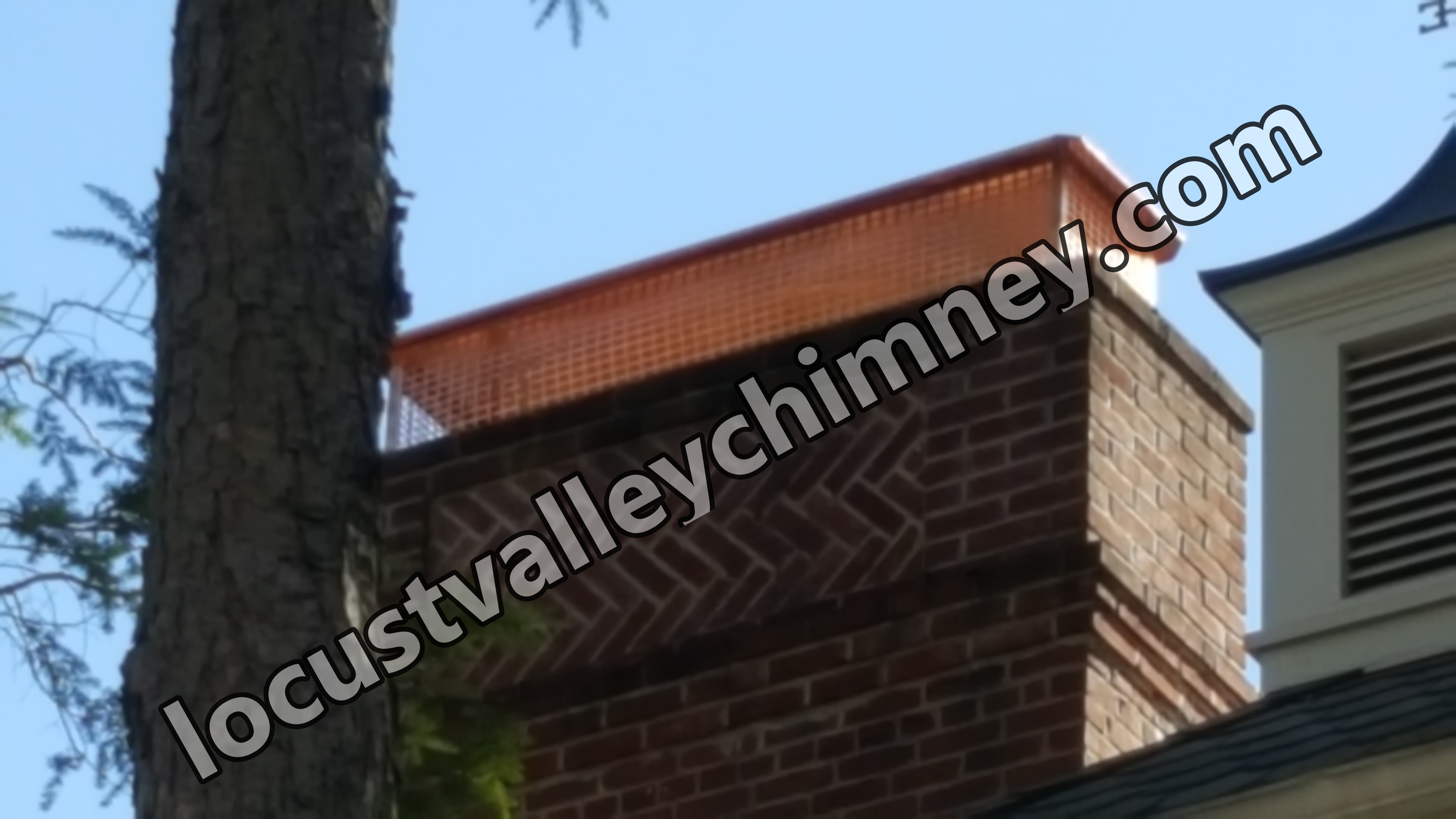
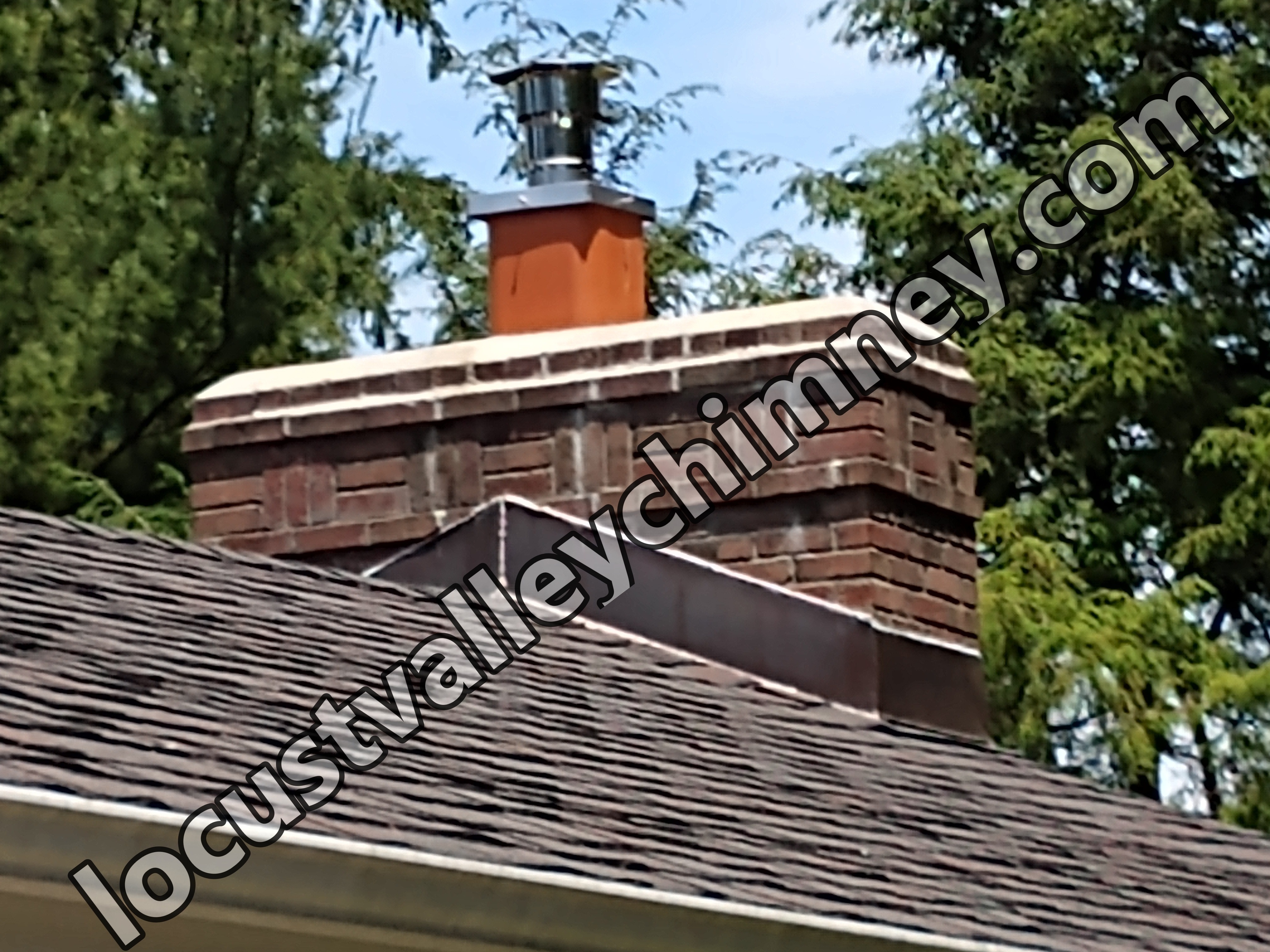
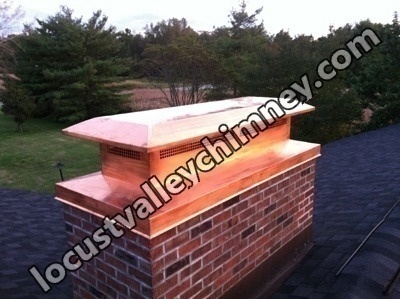
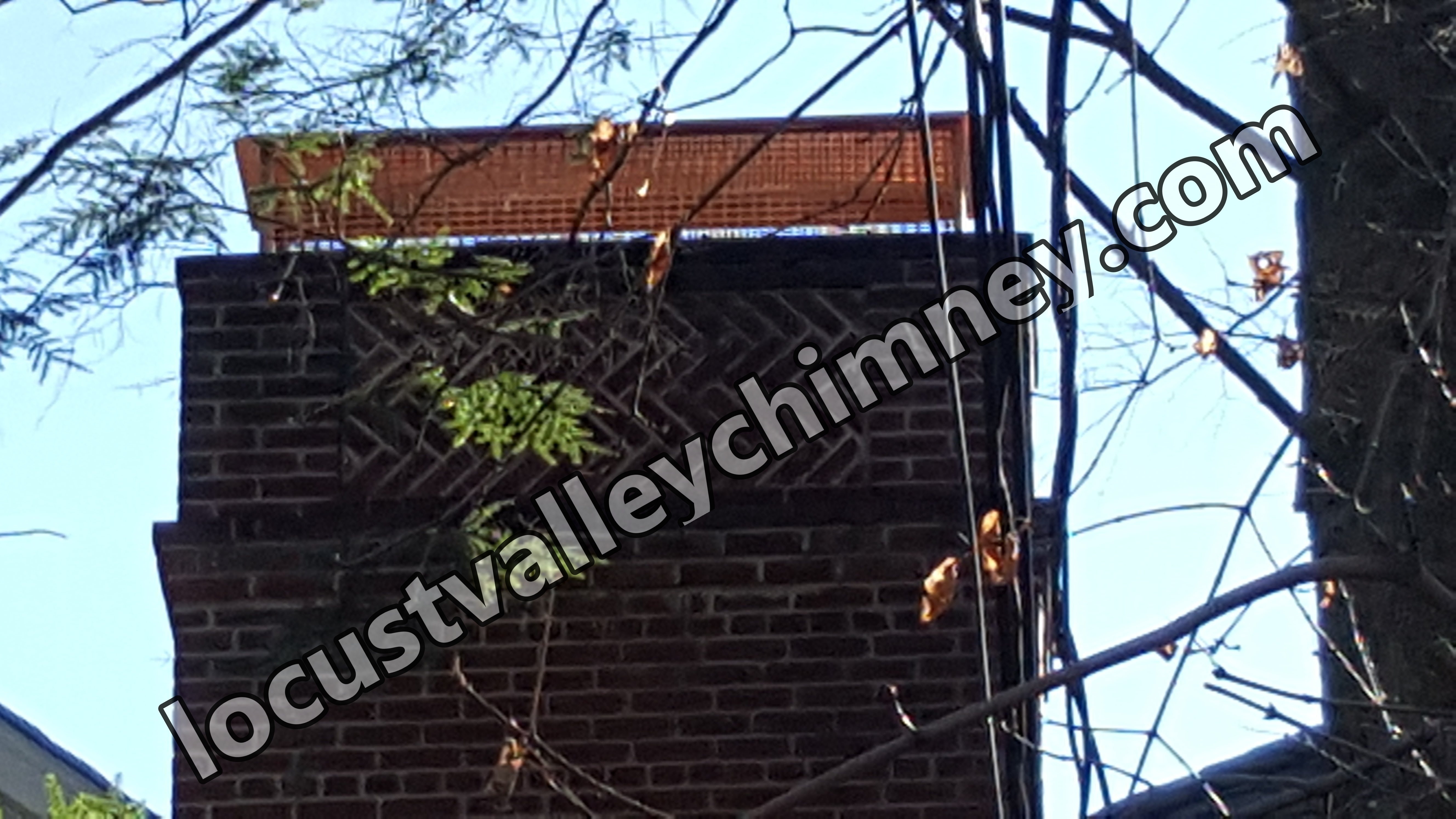
The material and design of your chimney cap matter significantly. A cap must fit your flue opening precisely. It should feature a hood that extends far enough to redirect water away from the opening. The mesh screening must be fine enough to exclude small animals without restricting airflow. Stainless steel or copper construction resists corrosion far better than galvanized steel. Locust Valley homeowners deserve caps built to handle coastal moisture and salt air that can accelerate rust formation. Locust Valley's proximity to the Sound means salt spray carries further inland during winter nor'easters. Your cap needs materials engineered for that environment.
Some Locust Valley residents discover cap problems only after water damage becomes obvious. Stains appear on ceilings near the chimney. The smell of moisture develops inside the home. These warnings indicate that water has already penetrated the masonry and possibly the interior structure. Catching and fixing cap issues before symptoms appear prevents costly repairs. An inspection of your chimney top during routine maintenance reveals missing, damaged, or improperly installed caps. Locust Valley homeowners who schedule annual inspections catch these problems early. Early detection means you'll replace a cap rather than rebuilding flue sections or replacing interior components.
DME Maintenance has served Locust Valley and surrounding Nassau County communities since 2001. Our licensed professionals understand the specific challenges facing chimneys on Long Island. We've replaced countless caps that failed or were improperly installed initially. We've seen the consequences of uncapped chimneys. We know which designs and materials perform best in our coastal climate. When you need chimney cap replacement, you're getting service from a team that has protected homes in Locust Valley for over two decades. We're not traveling from distant locations or treating your property as a routine stop on a longer route. We're local professionals serving neighbors.
Our service area covers all of Locust Valley and the neighboring communities. Homeowners across Locust Valley have relied on DME Maintenance, a local Long Island-based chimney company, for annual chimney service for over two decades.
The seasonal timing of cap replacement varies depending on your situation. If your cap is damaged, replacement should happen before the next heavy rain. If you're planning maintenance, fall or early spring work allows us to address the issue during moderate weather. Storm season on Long Island extends from fall through spring. Homes in Locust Valley benefit from having cap issues resolved before that period. We can typically schedule replacement work within days of your call. A cap installation takes a few hours of rooftop work. The protection it provides for years afterward makes it one of the most cost-effective improvements you can make.
Living in Locust Valley means understanding that your home faces specific environmental pressures. Salt-influenced moisture, coastal storms, and seasonal weather extremes all affect your chimney system. A properly installed cap addresses multiple threats simultaneously. It protects against water damage, animal entry, debris accumulation, and wind damage. It's a single component that prevents numerous expensive problems. If your chimney currently lacks a cap or your existing cap shows signs of damage, contact DME Maintenance today. Call 516-690-7471 to schedule an inspection. DME Maintenance will evaluate your chimney top and discuss what your home needs. Don't wait for storm damage or water intrusion to force action. Protect your chimney system now and avoid costly repairs later.