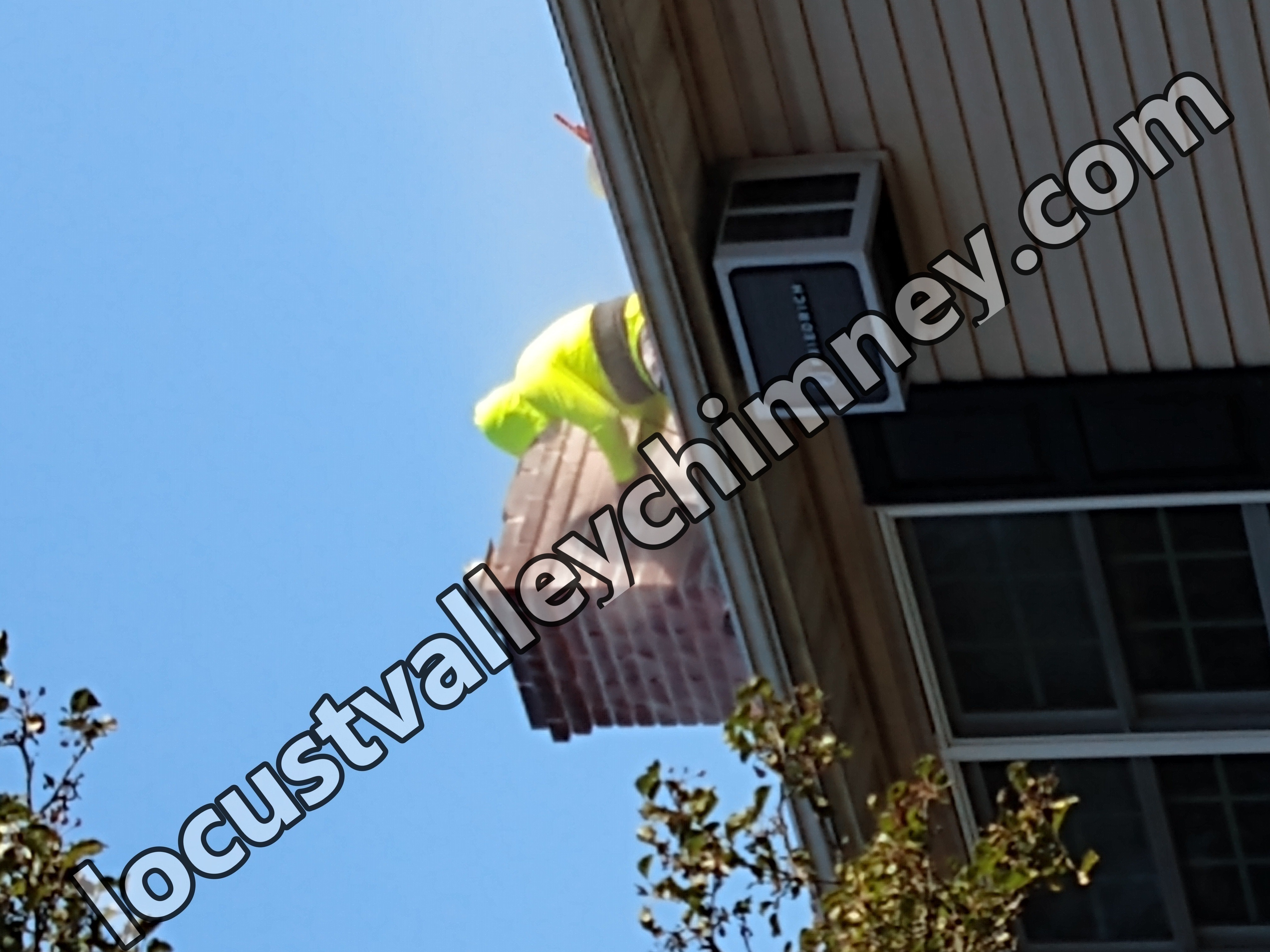
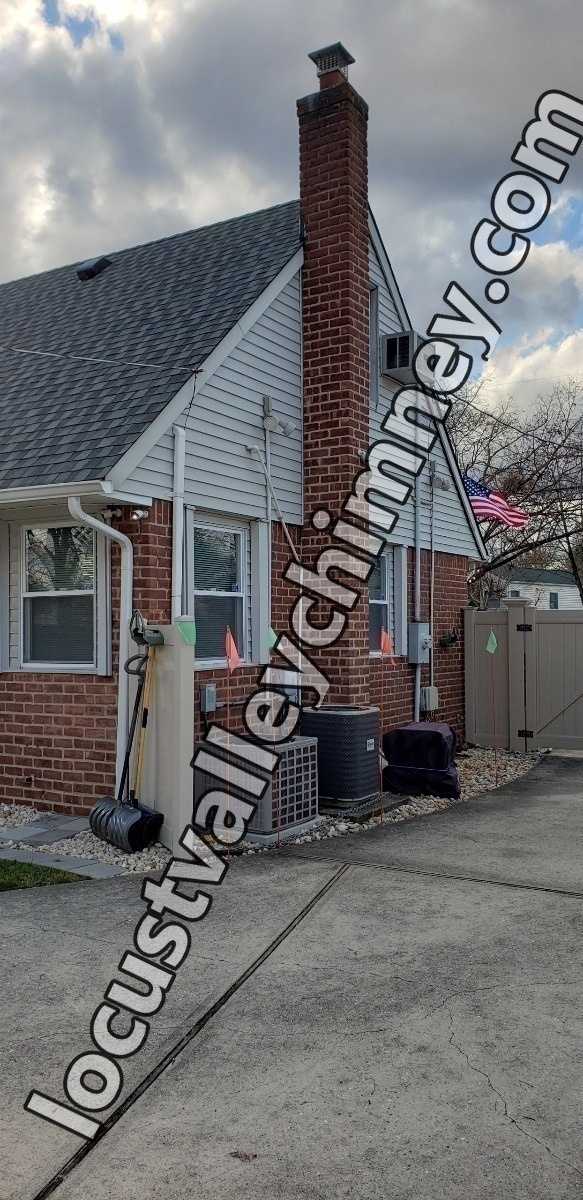
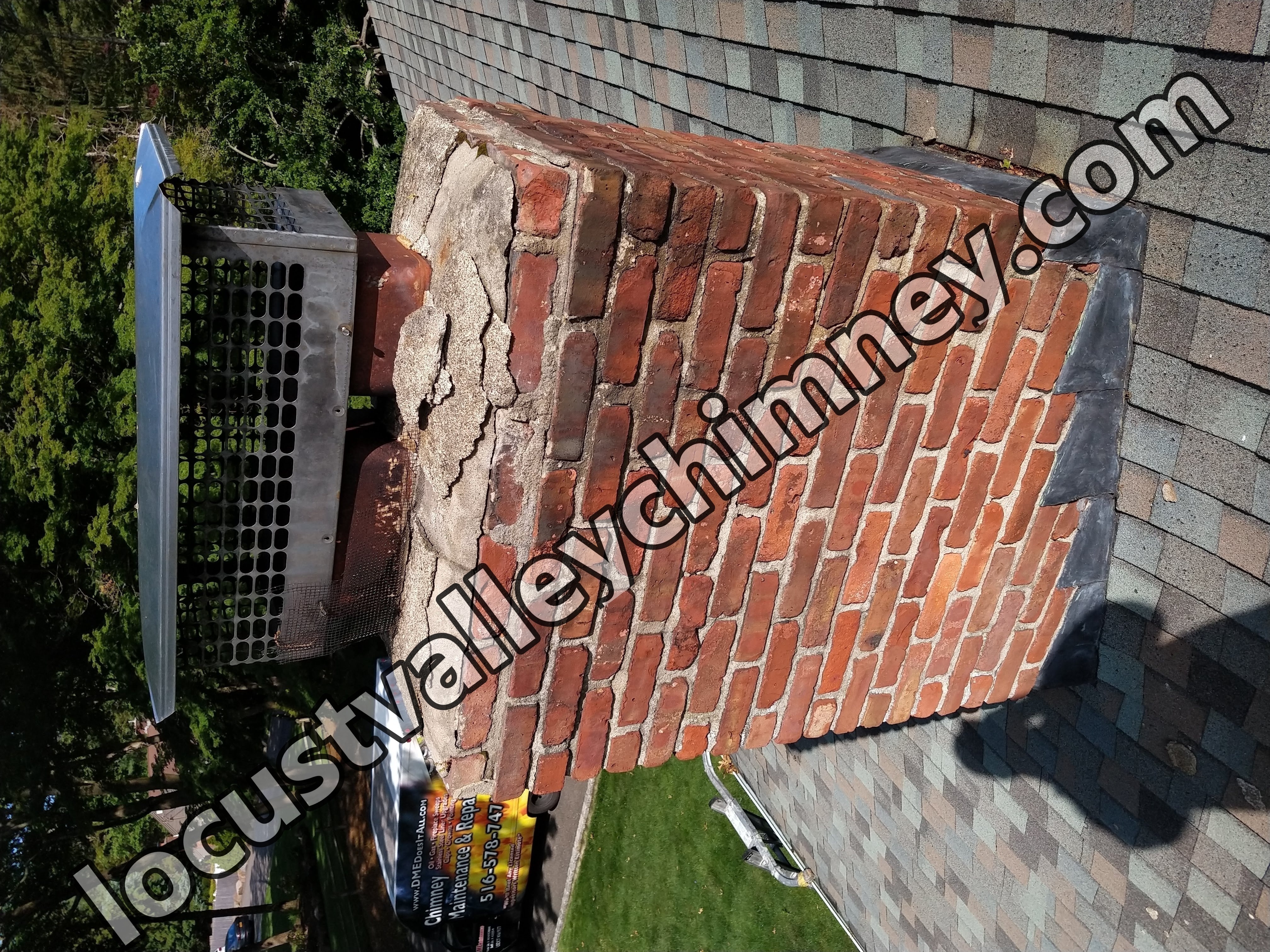
The chimneys serving homes in Locust Valley, Nassau County, NY, deserve far more attention than most homeowners realize. Built during the post-war boom of the 1950s and 1960s, many properties across Locust Valley feature brick chimneys that have endured more than six decades of exposure to freeze-thaw cycles and moisture penetration. The mortar binding those bricks together—the silent hero of your chimney's structural integrity—gradually deteriorates under constant exposure to temperature swings and water infiltration. What begins as hairline cracks in the mortar joints can evolve into serious water damage, structural compromise, and costly interior repairs if left unaddressed. Chimney pointing and tuckpointing are specialized masonry techniques that address this deterioration directly, removing failed mortar and replacing it with fresh material formulated to match your chimney's original composition and performance characteristics.
For residents of Locust Valley living in classic homes with original masonry chimneys, this service isn't just a maintenance task, it's an investment in protecting your home's foundation, walls, and interior spaces from water intrusion that can silently damage everything from your attic framing to your basement walls. DME Maintenance has been serving Locust Valley and the greater Long Island region since 2001, bringing two decades of expertise in identifying and correcting mortar failure before it becomes catastrophic. Our licensed professionals understand the specific challenges that Locust Valley homeowners face, from the maritime humidity that accelerates mortar degradation to the brutal winter conditions that exploit even small cracks in aging joints.
Understanding why mortar fails in Locust Valley requires looking at the environmental pressures on your masonry. The region experiences significant moisture exposure from nearby water features and wet weather, which breaks down masonry materials over time. Homes in Locust Valley that sit closer to water experience more aggressive deterioration as moisture accelerates the chemical breakdown of traditional mortar compositions. The freeze-thaw cycle—where winter temperatures drop below freezing at night and rise above it during the day—forces water into every microscopic crack in your mortar joints. This water expands when it freezes, creating pressure that further fractures the mortar and pushes it outward from between the bricks.
Over time, this cyclical stress loosens the bond between individual bricks, allowing more water to penetrate deeper into the chimney structure and eventually into the walls and interior spaces of your home. Many of the classic homes dotting Locust Valley's tree-lined streets were constructed with lime-based mortar formulations that, while durable, eventually succumb to these pressures. Locust Valley residents often heat their homes with oil heat systems, and chimneys connected to oil furnaces endure additional stress from acidic combustion byproducts and condensation that further degrade mortar joints over time. DME Maintenance recognizes these local conditions and tailors our pointing and tuckpointing approach accordingly, using mortar formulations and techniques specifically suited to the weather patterns here and the age of homes throughout Nassau County, NY.
The pointing and tuckpointing process itself is both an art and a science, requiring precision, patience, and deep knowledge of masonry restoration. When we assess a chimney in Locust Valley, we first conduct a detailed inspection to identify which joints have failed and what degree of deterioration is present. Some mortar may only need surface repointing—a process where we carefully remove the outer layer of failed mortar from the joints and replace it with fresh material. Other situations, particularly in older homes throughout Locust Valley, require full tuckpointing, where we remove mortar to a greater depth and completely repack the joints with new material. The removal process itself demands skill and restraint; we must remove deteriorated mortar without damaging the historic bricks themselves, which in many Locust Valley homes are irreplaceable.
Once joints are properly cleaned out, we apply new mortar in stages, carefully packing it into the joints and finishing it to match the profile of surrounding original work. For homes in Locust Valley constructed in the mid-20th century, matching the color, texture, and composition of original mortar becomes important both for structural performance and aesthetic preservation. We don't simply use standard off-the-shelf mortar mixes; instead, we evaluate the original mortar composition and recreate similar formulations that will work harmoniously with your existing masonry rather than against it. A mortar that's too hard can actually damage surrounding historic bricks during the freeze-thaw cycle, while mortar that's too soft won't provide adequate protection.
Our experience across Nassau County, NY and specifically throughout Locust Valley has taught us how to navigate these complexities and deliver results that both look appropriate and perform durably for decades to come.
Water infiltration represents one of the most serious consequences of failed chimney mortar, and Locust Valley homeowners should understand exactly how this damage progresses. When mortar joints deteriorate, water doesn't simply enter your chimney—it follows the path of least resistance into the surrounding structure. In a brick chimney that passes through an attic space, water seeps behind the chimney breast and into the surrounding framing, insulation, and roof structure. Over time, this moisture promotes mold growth, wood rot, and structural weakening that can compromise the integrity of your entire roof system. In chimneys that run along exterior walls, water penetration can travel down the interior of the wall cavity, soaking into insulation, damaging drywall, and eventually appearing as stains or moisture problems in rooms far removed from the chimney itself.
Residents of Locust Valley living in homes near the water—whether in areas with views toward the Sound or in neighborhoods closer to local waterways, face accelerated risk because the moisture content in the air is already higher. A chimney with failing mortar basically invites this moisture directly into your home's most vulnerable structural systems. We've observed this pattern repeatedly across Locust Valley: homeowners discover water damage in an interior wall or ceiling, investigate the source, and find that a deteriorating chimney several feet away has been silently allowing water to migrate through the home for months or years. By addressing chimney pointing proactively, Locust Valley homeowners can prevent serious water damage and the structural repairs that follow.
Early intervention is far less costly than addressing rot in roof framing, mold remediation, or structural repairs that become necessary only after water damage has progressed extensively.
Spring and summer represent the ideal windows for chimney pointing work in Locust Valley and throughout Nassau County, NY, and this seasonal timing isn't arbitrary—it's based on how mortar cures and hardens. Fresh mortar requires proper drying conditions to achieve full strength and weather resistance. During the warm months when temperatures remain above freezing and humidity levels are moderate, mortar cures more predictably and thoroughly. If we apply mortar during cold months, freezing temperatures can interrupt the curing process, leaving the new mortar weak and prone to premature failure. The mild temperatures and longer daylight hours of spring and summer also allow our craftspeople to work methodically without rushing, ensuring that each joint receives the careful attention it deserves.
For homeowners in Locust Valley planning their annual home maintenance, scheduling chimney pointing in May, June, or early July means the work will be completed before autumn arrives and before the heating season begins in fall. This timing also allows the new mortar to cure fully before winter's first freeze-thaw cycles stress-test your repairs. DME Maintenance has built our spring and summer schedules around the needs of Locust Valley homeowners, and we encourage residents to call early in the season to secure appointments before our calendar fills. The longer you wait into the summer, the narrower your window becomes before fall maintenance deadlines arrive.
If you've noticed mortar damage on your chimney, visible cracks in joints, or water stains appearing on interior walls near your chimney, spring and summer are genuinely your best opportunity to address these issues before winter magnifies the damage and creates more serious problems.
Our service area covers all of Locust Valley and the neighboring communities. Homeowners across Locust Valley have relied on DME Maintenance, a local Long Island-based chimney company, for annual chimney service for over two decades.
If you're a homeowner in Locust Valley noticing signs of chimney deterioration—whether that's crumbling mortar you can see from the ground, missing pieces of mortar between bricks, water stains on interior walls, or simply the awareness that your chimney hasn't been professionally assessed in years—the time to act is now. DME Maintenance brings over 2001 of experience and genuine expertise to every pointing and tuckpointing project we undertake across Nassau County, NY. We're not a regional service provider parachuting into Locust Valley for a quick job; we're a licensed, locally-rooted company that understands the specific challenges facing homes in Locust Valley and surrounding communities. DME Maintenance takes pride in delivering masonry restoration work that respects the character of your home while solving the actual problems threatening its structural integrity and your family's safety.
Don't let another season pass while deteriorated mortar continues its slow invasion of your home's interior spaces. Contact DME Maintenance today at 516-690-7471 to schedule your professional chimney inspection and pointing assessment. Our experts will evaluate the condition of your chimney, explain exactly what's happening with your mortar joints, and outline a clear path forward. Spring and summer won't last forever, and the freeze-thaw cycles of another Long Island winter are already on the horizon. Let us help protect your Locust Valley home before water damage becomes a serious problem that costs far more to repair later.